How Insulated Drinkware Works: The Complete Guide
Discover how insulated drinkware works and why double-wall insulation keeps drinks colder for longer. Learn the science, compare materials, and choose the right Frost Buddy for your everyday routine.
Recent Blogs
-
Best Motorcycle Fairing Kits for a Fresh, Custom Look
-
One Golden Thread Review: Which Pieces Are Worth Buying?
-
Best Streetwear Chains: Find Your Perfect Statement Piece
-
Hilo Core Review: Is This Blood Pressure Companion Right for You?
-
Best California Olive Oil Sets: Which Brightland Bundle Fits You?
-
Best TORRAS Stand Case: Which Ostand Fits Your iPhone?
-
Best Wallet Tracker Card: Is Spotminders Worth It?
By John Mike
·July 04, 2026
Ever held a cold drink for hours without a single drop of sweat on the cup? That little wonder explains exactly how insulated drinkware works. Once you understand the science, you'll never overpay for a poor product again.
This guide breaks down the mechanics in plain language. You'll learn why drinks stay cold, what materials matter most, and how to pick the right beverage holder for your routine.
Here's what you'll walk away with:
- The science behind drink insulation, explained simply
- A four-question framework to choose smarter
- Practical tips to stretch cold retention even further
What Is Insulated Drinkware?
Insulated drinkware is any cup, bottle, or can cooler built to slow heat transfer. The goal stays simple. Keep cold drinks cold and hot drinks hot.
It works by fighting the three ways heat moves: conduction, convection, and radiation. A strong design blocks all three at once.
That's the gap between a flimsy gas-station mug and a true performer. One quits in minutes. The other holds steady for hours.
The Science: How Heat Transfer Works
Heat always travels from warm toward cold. Your iced drink "loses" because the surrounding warmth keeps pushing inward.
Good drink insulation slows the flow to a crawl. Let's break down each method it has to defeat.
Conduction
Conduction is heat moving through direct contact. A thin metal wall passes that heat almost instantly.
Double-wall stainless steel adds a gap between the two layers. That pocket of space slows the transfer dramatically. It's the backbone of most quality drinkware.
Convection
Convection is heat carried by moving air or liquid. An open cup lets warm air swirl freely above your drink.
A sealed lid stops the circulation cold. This is why a closed bottle outlasts an open tumbler every time.
Radiation
Radiation is heat traveling as invisible energy waves. Premium bottles often add a vacuum layer with a reflective inner surface.
That vacuum removes air entirely. With no air, conduction and convection nearly vanish at once. The payoff is seriously impressive cold retention.
Quick recap: Double walls block conduction. Sealed lids block convection. Vacuum insulation tackles all three.
Why Material Matters
Material choice shapes performance more than any flashy feature. Here's how the common options stack up.
- Foam: Cheap and light, but its insulation fades fast.
- Single-wall plastic: Lightweight, yet weak at holding temperature.
- Double-wall stainless steel: Durable, sweat-free, and excellent at retention.
- Vacuum-insulated steel: Top-tier performance for long, hot days.
For most people, double-wall stainless steel hits the sweet spot. It balances price, toughness, and real cold-keeping power.
Think of it this way. A foam koozie might cost a dollar but warms your drink within the hour. A stainless can cooler costs more upfront and keeps it cold all afternoon.
A Simple Framework for Choosing the Right Holder
Marketing claims can blur together fast. These four questions cut straight through the noise.
- What do you drink? Cans, bottles, coffee, and water each need a different fit.
- Where will you use it? A desk routine differs wildly from beach days and tailgates.
- How long do you need it cold? One quick hour? Or a full afternoon outdoors?
- Does portability matter? Cup-holder fit and weight count for commuters and travelers.
Answer all four honestly. Your ideal beverage holder usually becomes obvious right away.
Say you're a daily commuter who switches between canned coffee and seltzer. A versatile can cooler beats a single-purpose insulated tumbler for you.
Practical Tips to Maximize Cold Retention
Small habits squeeze surprising performance from any insulated drinkware. Try these proven moves.
- Pre-chill the container. Fill it with ice water for a few minutes before use.
- Keep the lid sealed. Every open sip lets warm air sneak inside.
- Skip direct sun. Shade slows heat absorption noticeably.
- Top off the ice. Add more if your day stretches past a couple of hours.
These tricks cost you nothing. Yet they meaningfully extend how long your drink stays cold.
I tested the pre-chill trick myself on a hot afternoon. The chilled cup held ice nearly an hour longer than the room-temperature one. Small step, big difference!
Where Frost Buddy Fits In
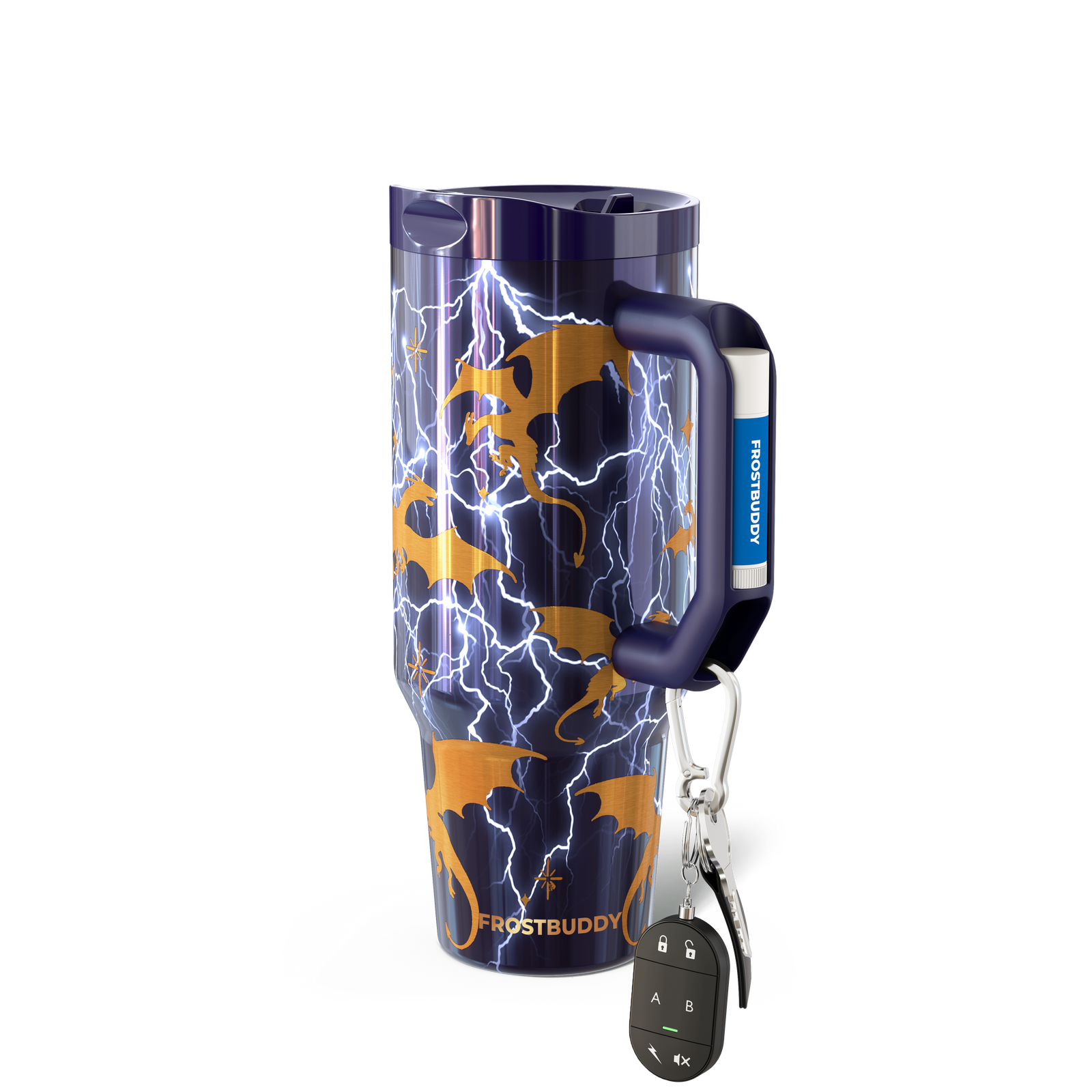
Brands like Frost Buddy build double-wall stainless steel drinkware for everyday life. Their lineup includes can coolers, bottle holders, and large insulated tumblers.
The standout appeal is versatility. The Universal Buddy, for instance, adapts to cans and bottles within a single body.
It's one solid option among many on the market. The right pick still comes back to your four answers above.
Buy Now
Frequently Asked Questions
How does insulated drinkware keep drinks cold?
It slows heat transfer using double walls, a sealed lid, and sometimes a vacuum layer that blocks incoming warmth.
Is stainless steel better than plastic for insulation?
Generally, yes. Double-wall stainless steel holds temperature far longer and resists outside sweat better than plastic.
What does double-wall mean?
Double-wall means two layers of material with a gap between them. That air pocket slows heat from passing through.
How long should insulated drinkware keep ice?
Quality vacuum-insulated bottles can hold ice for many hours. Performance shifts with the design and outside temperature.
Does pre-chilling really make a difference?
Yes. Cooling the container first removes stored heat, so your drink stays cold noticeably longer.
What is vacuum insulation?
Vacuum insulation removes air between two walls. With no air to carry heat, drinks stay cold far longer.
Key Takeaways
Now you know how insulated drinkware works. It slows conduction, convection, and radiation using double walls, sealed lids, and vacuum layers. Material drives performance, and double-wall stainless steel offers the best everyday balance.
Run through the four questions before your next purchase. Match your choice to what you drink, where you go, and how long you need it cold.
Ready to put this knowledge to work? Explore versatile, double-wall options like the Frost Buddy lineup and pick the holder that truly fits your day.