Infrared vs. Steam Saunas: Which One Is Right for You?

Recent Blogs
-
Best Motorcycle Fairing Kits for a Fresh, Custom Look
-
One Golden Thread Review: Which Pieces Are Worth Buying?
-
Best Streetwear Chains: Find Your Perfect Statement Piece
-
Hilo Core Review: Is This Blood Pressure Companion Right for You?
-
Best California Olive Oil Sets: Which Brightland Bundle Fits You?
-
Best TORRAS Stand Case: Which Ostand Fits Your iPhone?
-
Best Wallet Tracker Card: Is Spotminders Worth It?
By John Mike
·July 04, 2026
Heat therapy has been a cornerstone of wellness practices for thousands of years, revered for its ability to detoxify the body, soothe aching muscles, and calm the mind. In recent years, the popularity of at-home saunas has surged, making this ancient therapy accessible without a gym membership. However, as you begin your search for the perfect home setup, you will inevitably encounter the great debate: infrared vs. steam.
Both methods induce sweating and offer profound health benefits, but they achieve these results through fundamentally different mechanisms. Choosing the right one depends heavily on your personal health goals, heat tolerance, and the specific experience you are seeking. This guide provides a comprehensive, expert comparison of infrared and steam saunas to help you make an informed decision for your wellness journey.
Understanding the Fundamental Difference
The primary distinction between infrared and steam saunas lies in how they heat your body.
How Steam Saunas Work
A steam sauna, often called a "wet sauna," relies on high humidity and heated air. A generator boils water to produce steam, which is then released into an enclosed space. This creates an environment with extremely high humidity (often near 100%) and air temperatures typically ranging between 110°F and 120°F.
The mechanism here is external heating. The hot, moist air warms your skin and respiratory tract, preventing your sweat from evaporating. This causes your body temperature to rise rapidly as it works hard to cool itself down, resulting in an intense, dripping sweat almost immediately.
How Infrared Saunas Work
An infrared sauna is a "dry sauna" that uses light to create heat. Instead of heating the air around you, infrared panels emit light waves that penetrate directly into your body's tissues. The air temperature in an infrared sauna is usually lower, typically between 120°F and 150°F, but the humidity is very low.
Because the heat is direct and penetrating, it warms you from the inside out. This allows for a deeper sweat at a more comfortable ambient temperature, meaning you can often stay inside longer than you could in a steam room.
The Health Benefits: Where They Overlap and Diverge
While both types of saunas improve circulation and promote relaxation, they excel in different areas of wellness.
Benefits of Infrared Saunas
Infrared technology is often favored by athletes and those managing chronic pain because of its ability to reach deep into muscle tissue.
- Deep Tissue Recovery: The penetrative nature of infrared light (especially when using full-spectrum options like the SaunaBox Solara) helps increase blood flow to muscles and joints, accelerating recovery after intense workouts.
- Detoxification: Proponents suggest that the deep sweat induced by infrared heat releases a higher percentage of toxins compared to surface-level sweat.
- Cardiovascular Health: The gentle, sustained heating mimics the effects of moderate exercise, elevating heart rate and improving vascular function without the intense stress of high heat.
- Skin Health via Red Light: Many modern infrared units, such as the SaunaBox Pulse PRO, integrate red light therapy. This adds a layer of benefit for skin rejuvenation, collagen production, and reduction of inflammation.
Benefits of Steam Saunas
Steam saunas are particularly powerful for respiratory and skin health due to the moisture.
- Respiratory Relief: The warm, moist air is excellent for opening airways, clearing congestion, and soothing the throat. It is often recommended for those with allergies, asthma, or frequent sinus issues.
- Skin Hydration: While sweating cleanses pores, the high humidity hydrates the skin surface, leaving it feeling soft and supple rather than dried out.
- Rapid Stress Relief: The sensation of being enveloped in a warm cloud of steam can be incredibly grounding and meditative, offering immediate mental relaxation.
- Intense Heat Sensation: For those who equate "working hard" with immediate, heavy sweating, the steam experience provides that satisfying intensity quickly.

Buy Now
The Experience Factor: Dry vs. Wet Heat
Your personal preference for "dry" versus "wet" heat is likely the biggest deciding factor.
The Infrared Experience:
Sitting in an infrared sauna feels like lying in the sun on a warm day, but without the UV damage. It is a gentle, gradual warmth. Because the air isn't stiflingly hot, many users find it easier to breathe and relax for 20 to 45 minutes. You can read a book, listen to a podcast, or meditate comfortably. The SaunaBox Pulse PRO is designed for this type of extended, comfortable session, allowing you to incorporate red light therapy simultaneously.
The Steam Experience:
Entering a steam sauna is an immersive shock to the senses. The air is thick and heavy. You feel the heat instantly on your skin and in your lungs. It is an intense experience that demands your focus. Sessions are typically shorter, around 10 to 15 minutes. If you enjoy the feeling of a "heavy" heat that forces you to disconnect from everything else, steam is the way to go. The SaunaBox SmartSteam Pro captures this experience perfectly, generating high-density steam for a professional spa feel at home.
Installation and Home Considerations
When bringing a sauna into your home, logistics matter.
Moisture Management
This is the biggest drawback of traditional steam rooms. High humidity can damage drywall, paint, and flooring if not properly contained. Permanent steam rooms require expensive waterproofing, drainage, and ventilation. However, portable units like the SaunaBox SmartSteam Pro solve this by keeping the moisture contained within the tent, making steam accessible without a renovation.
Space and Power
Infrared saunas generally require less specialized infrastructure. Most portable units plug into standard outlets. Wooden units, like the SaunaBox Solara, are beautiful furniture pieces that require a dedicated footprint but are dry and easy to maintain. Portable infrared options offer the most flexibility, as they can be set up and taken down in minutes.
Which One Is Right for You?
Here is a quick breakdown to help you decide:
Choose an Infrared Sauna (like the Solara or Pulse PRO) if:
- You want deep muscle recovery and pain relief.
- You prefer a "dry" heat that allows for longer, more comfortable sessions.
- You are interested in the added benefits of red light therapy.
- You want to read or use electronic devices (cautiously) during your session.
- You are sensitive to high humidity or find thick air difficult to breathe.
Choose a Steam Sauna (like the SmartSteam Pro) if:
- You suffer from sinus congestion, allergies, or respiratory issues.
- You have dry skin and want hydration alongside detoxification.
- You love the feeling of intense, heavy heat and immediate sweating.
- You want a shorter, more intense session to "reset" your system.
- You are looking for the most cost-effective entry point into heat therapy.
The Hybrid Approach
For those who are truly torn, modern innovation has blurred the lines. You no longer strictly have to choose one or the other if you are willing to have two portable units or if you choose a brand that understands the nuance of recovery.
SaunaBox has curated a collection that respects both methodologies. They offer the SmartSteam Pro with Red Light, a unique hybrid concept that brings the cellular healing of red light therapy into the wet environment of a steam sauna. This allows you to tackle respiratory health and cellular inflammation in a single session.
Conclusion
Whether you choose the penetrating warmth of infrared or the enveloping embrace of steam, integrating heat therapy into your routine is a powerful step toward better health. Both methods offer proven pathways to reduced stress, improved circulation, and enhanced recovery.
The "best" sauna is ultimately the one you will use consistently. Consider which experience sounds more inviting to you after a long, stressful day. Is it the quiet, dry warmth of infrared, or the intense, steamy escape of wet heat? By understanding the unique benefits of each, you can select the tool that aligns perfectly with your wellness goals.
Ready to find your perfect match?
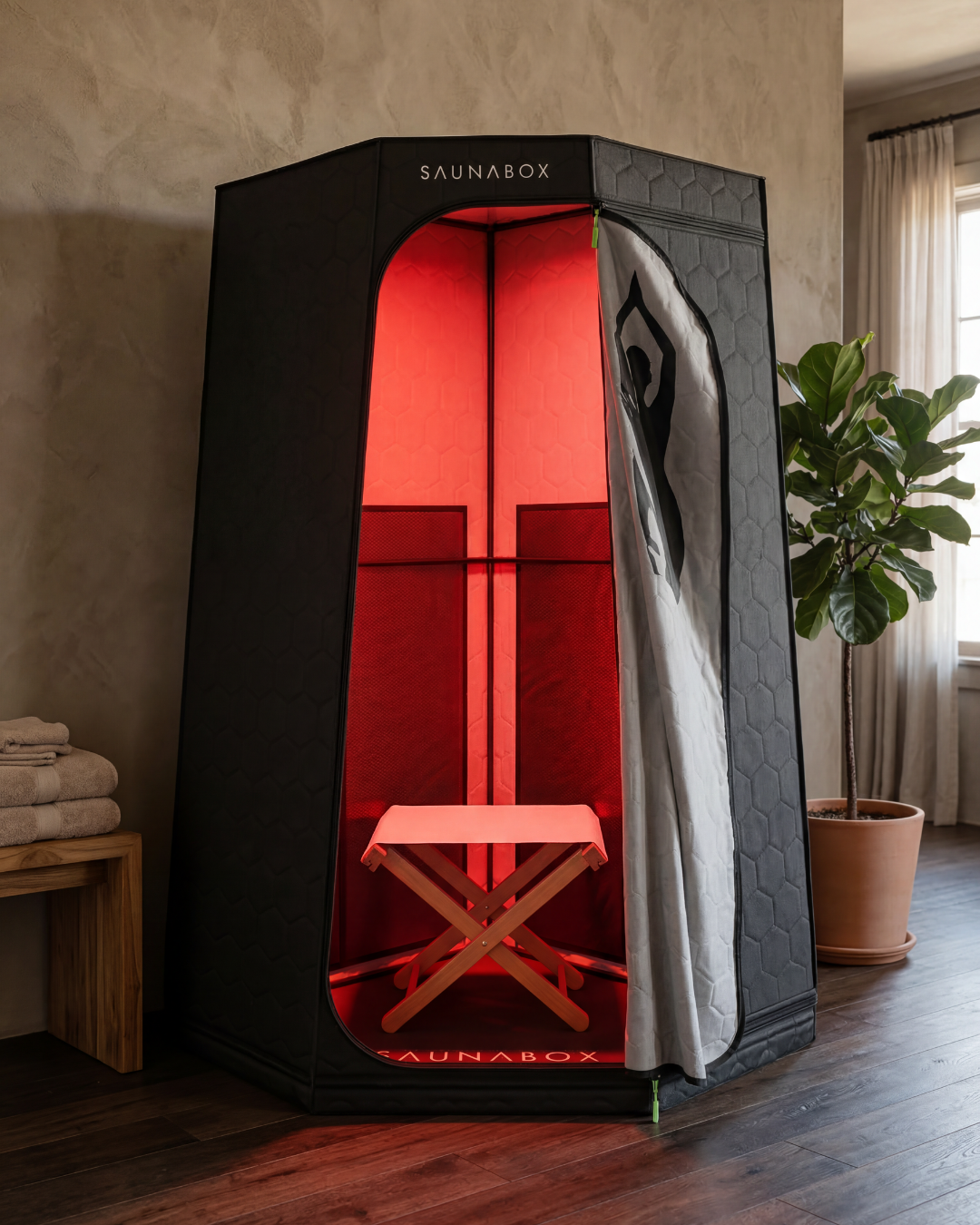
Browse the SaunaBox Collection to Compare Infrared and Steam Options.
Frequently Asked Questions (FAQ)
Can I lose weight using a sauna?
Both steam and infrared saunas can aid in weight loss, primarily through water weight reduction and increased heart rate. A sauna session can mimic mild to moderate exercise, burning calories as your body works to regulate its temperature. However, it should be viewed as a supplement to a healthy diet and exercise, not a replacement.
Which sauna type is hotter?
In terms of air temperature, infrared saunas are generally hotter (120°F–150°F) than steam saunas (110°F–120°F). However, steam saunas feel hotter because the sweat doesn't evaporate, interfering with your body's cooling mechanism. The humidity makes the heat feel more intense and immediate.
Is infrared radiation safe?
Yes. Infrared light is a naturally occurring part of the sun's spectrum. It is the "warm" heat you feel on your skin. It does not contain harmful UV rays. SaunaBox units use ultra-low EMF (electromagnetic field) heaters to ensure a safe and therapeutic experience.
How long should I stay in a sauna?
For infrared saunas, sessions typically last 20 to 45 minutes because the lower air temperature is more tolerable. For steam saunas, 10 to 15 minutes is common due to the intensity of the humidity. Always listen to your body and hydrate well before and after.
Which is better for acne and skin health?
Steam is excellent for opening pores and hydrating skin, which can help clear blockages. Infrared (especially with red light therapy) is great for reducing inflammation and stimulating collagen. If you have acne, steam might be better for cleansing, while infrared is better for healing and rejuvenation.
Can I use a steam sauna if I have asthma?
Many people with asthma find steam saunas beneficial because the moist air soothes nerve endings in the airways and loosens mucus. However, some triggers vary. It is always recommended to consult your doctor before using any heat therapy if you have a respiratory condition.
Why does SaunaBox offer red light with steam?
Traditionally, electronics and red light panels don't mix well with water. However, SaunaBox engineered the SmartSteam Pro with Red Light to safely combine these therapies. This allows users to get the respiratory benefits of steam while simultaneously treating their skin and cells with specific light wavelengths for a dual-recovery effect.